
Insights
Articles, deep dives, and ideas worth circulating.
- No image
ISO 9906 Acceptance Grades: What a Passing Test Allows
How ISO 9906 acceptance grades set the tolerance band around a pump duty point, and how to choose a grade against your system curve.
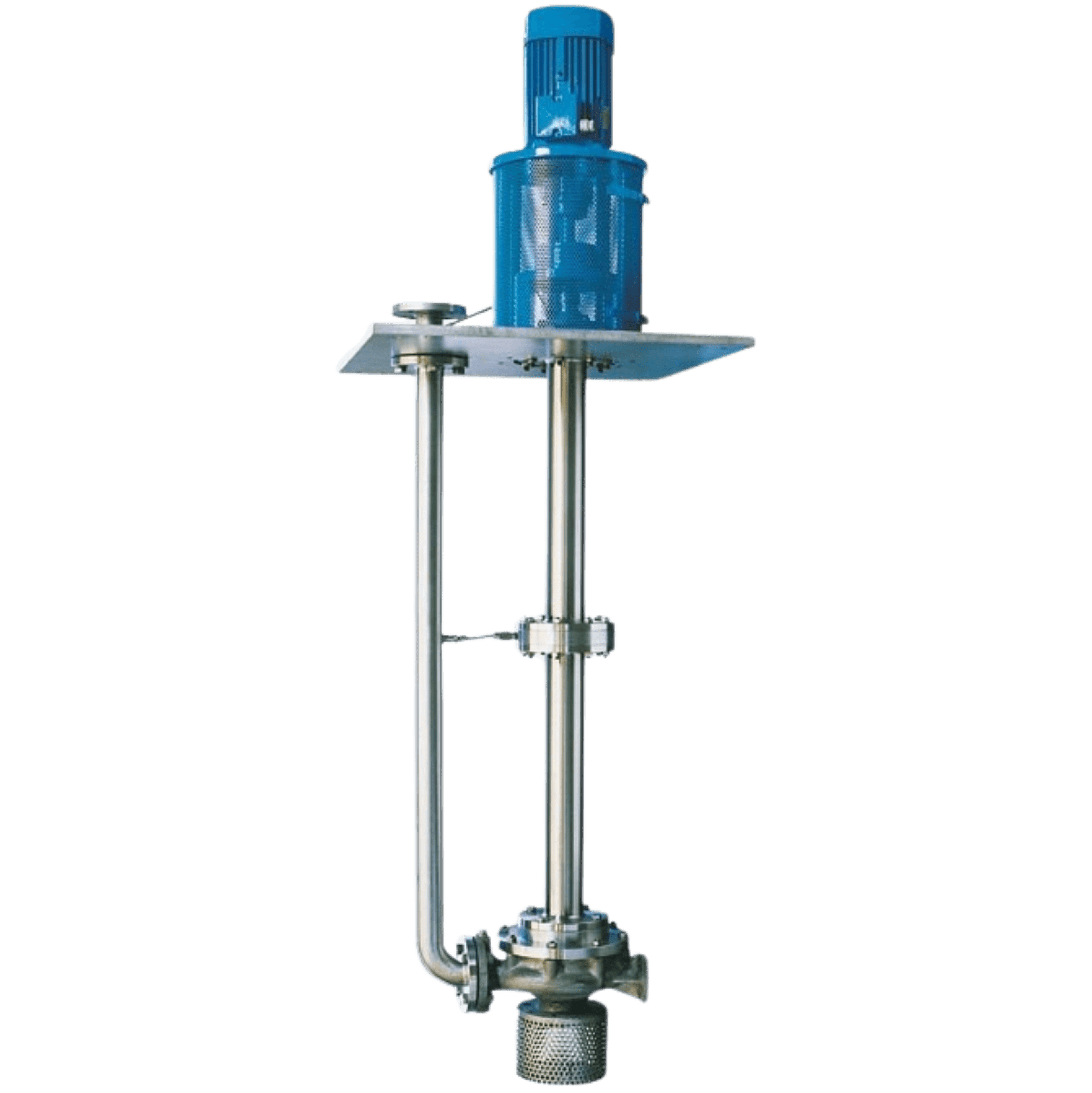
Vertical Sump Pump Vibration: Why Column Length Rules
How shaft length, bearing spacing, and reed critical frequency decide whether a vertical sump pump runs for a decade.
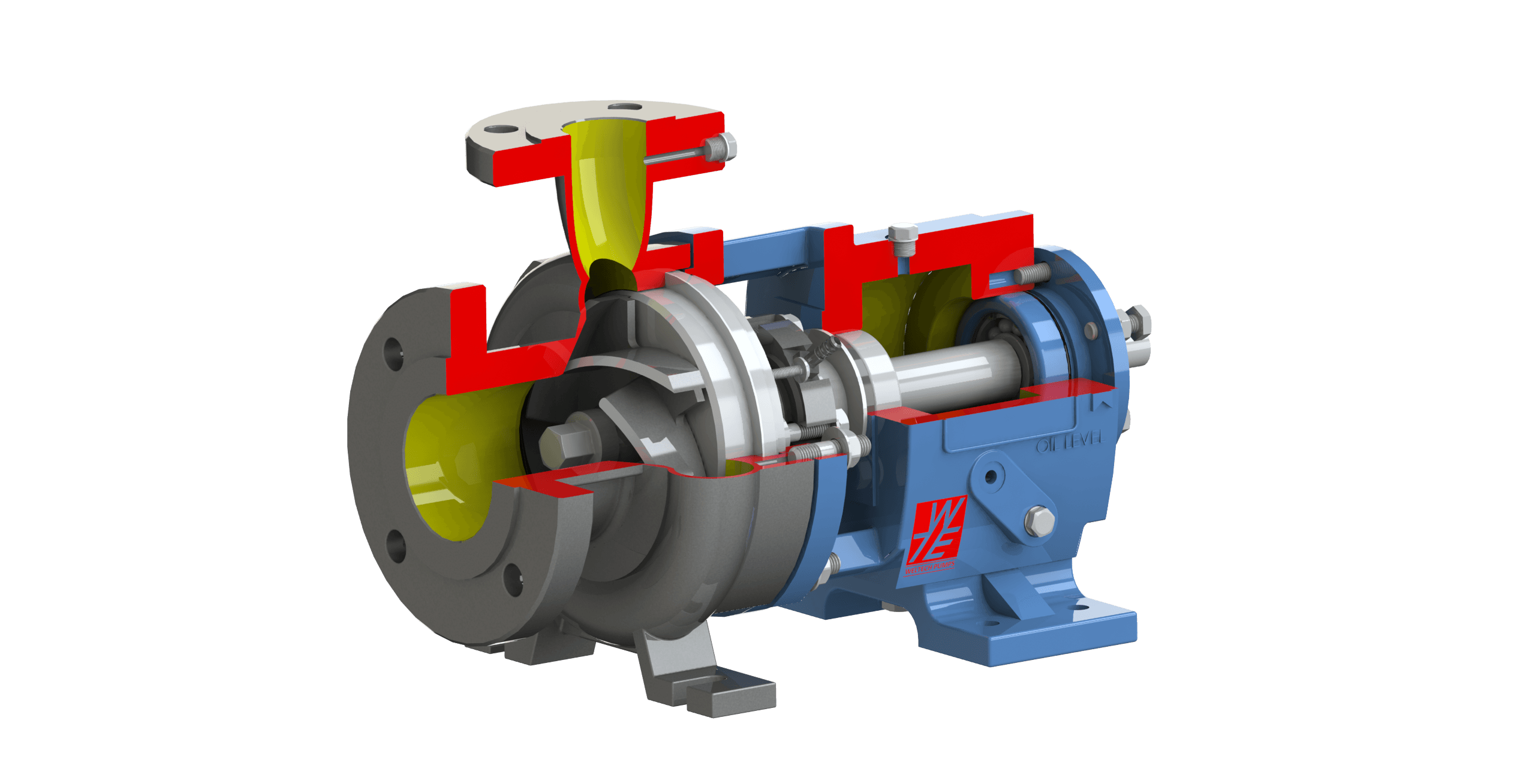
Pump Shaft Deflection: Why Seal Life Starts at the Bearing
What shaft deflection actually does to a mechanical seal, how the L3/D4 stiffness ratio predicts it, and what to ask a pump vendor before buying.
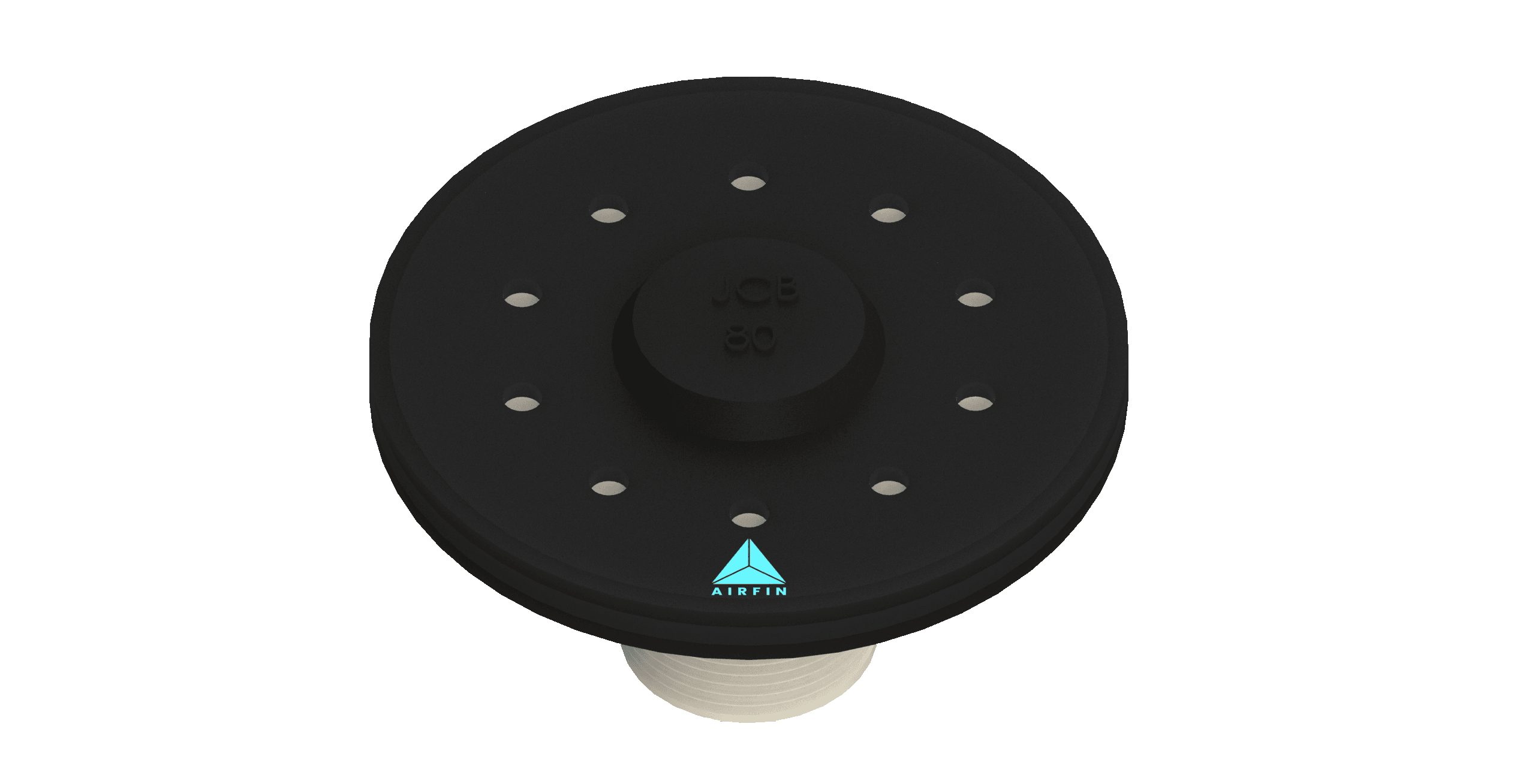
Coarse Bubble Diffuser Selection: When Mixing Beats SOTE
How bubble size, alpha, fouling and mixing energy decide when a coarse bubble diffuser is the right choice, and how to size one correctly.
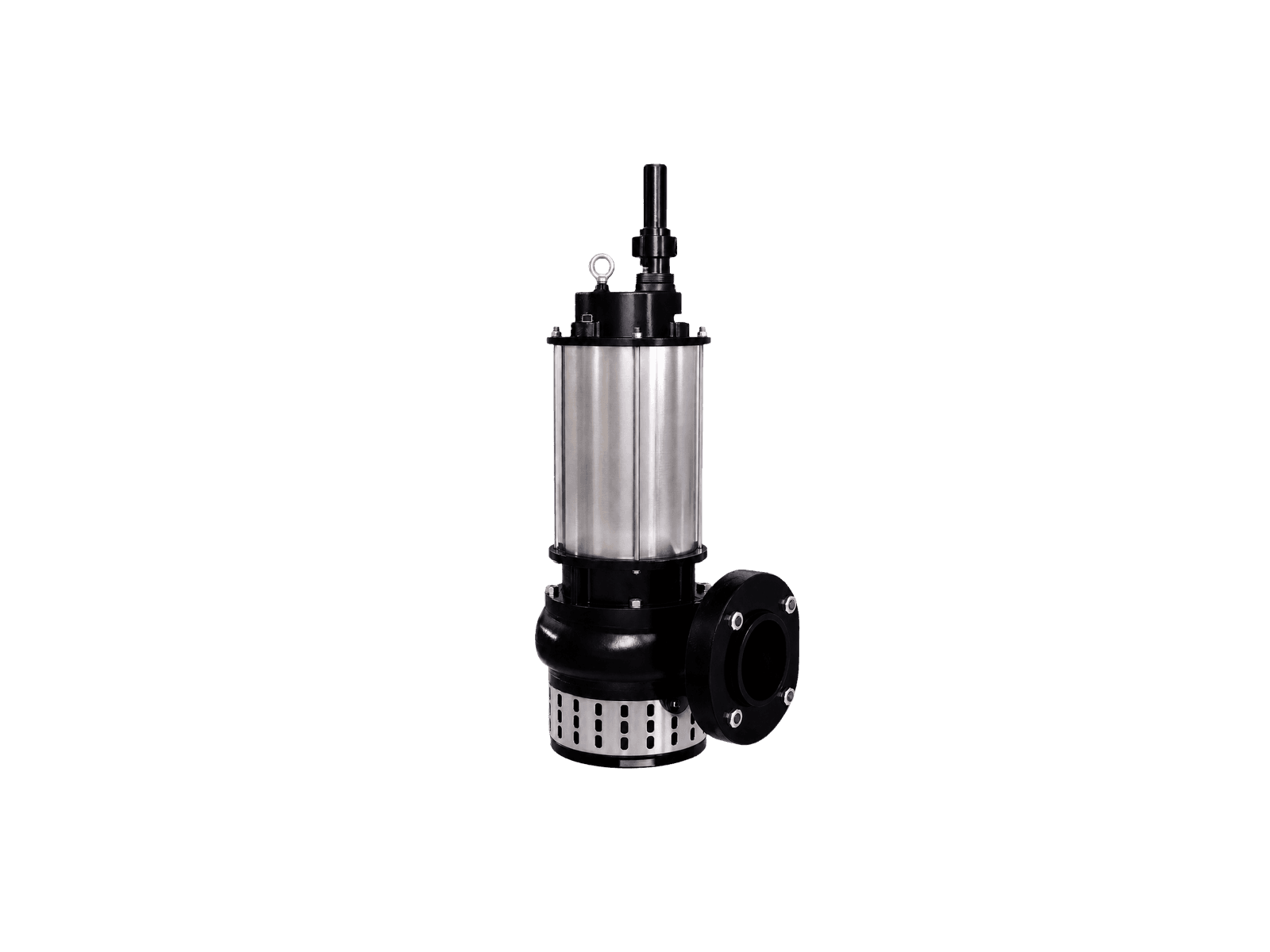
Why Submersible Sewage Pump Clogging Isn't About Size
Why the spherical solids rating on a sewage pump datasheet does not predict clogging, and what actually governs rag passage in service.
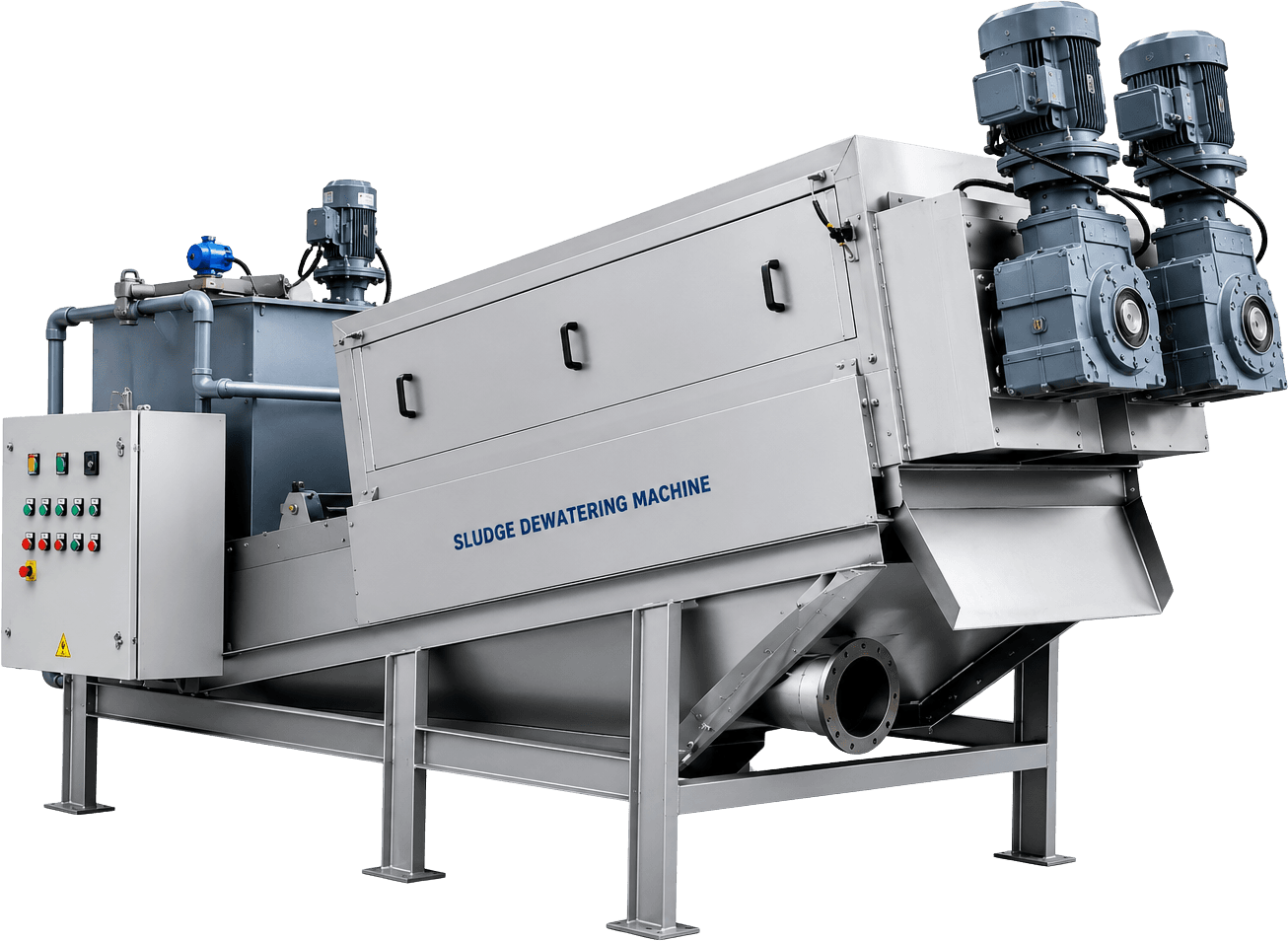
Sludge Dewaterability: Why the Machine Isn't the Variable
Why sludge dewaterability is decided upstream of the press, and what to measure before specifying a dewatering machine.
- No image
DAF Air-to-Solids Ratio: Sizing Air, Not Tank Volume
Why the air-to-solids ratio, not tank size, decides whether a DAF floats its solids, and how pressure and recycle set the air you deliver.
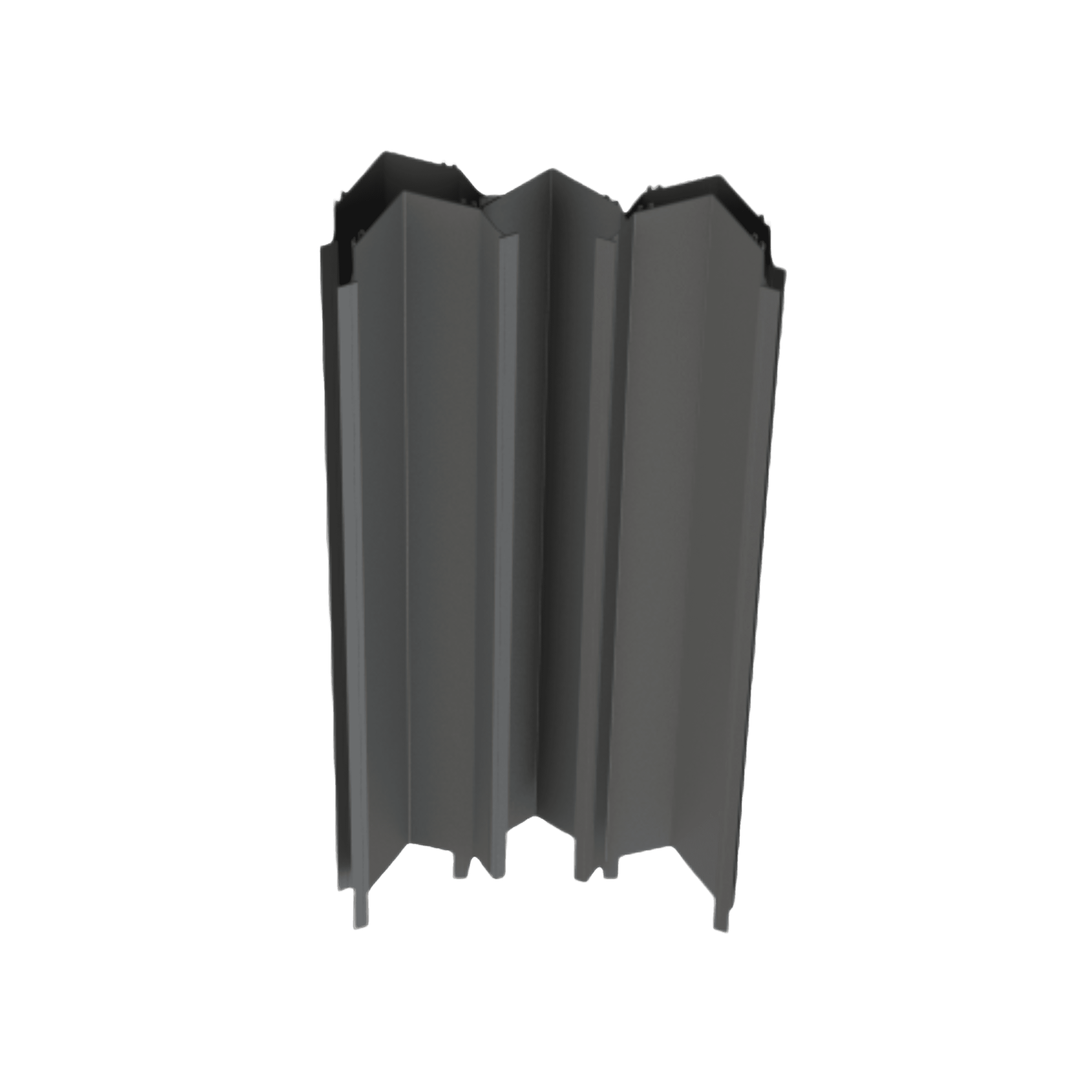
Tube Settler Design: Why 60 Degrees, and What It Costs
Why the surface area on a tube settler datasheet is not settling area, and how the 60-degree lay angle trades area for self-cleaning.
- No image
Secondary Clarifier Design: Why Overflow Rate Isn't Enough
How solids flux, settleability, and state point analysis decide whether a secondary clarifier really has the capacity it appears to.
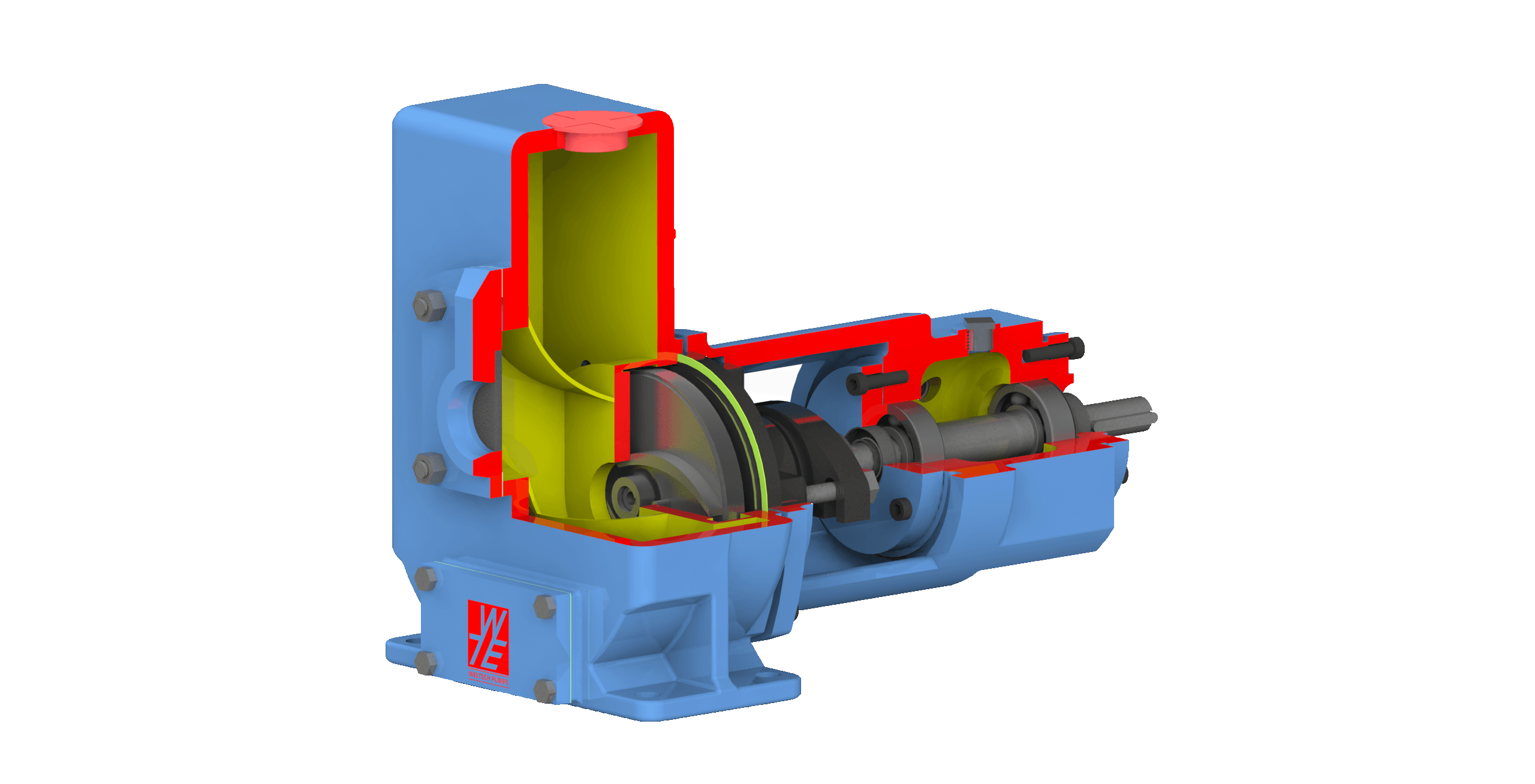
Why NPSH Margin, Not NPSHR, Decides Pump Reliability
How NPSH margin, suction lift, and flow rate decide whether a self-priming pump cavitates in service, and how to size it.
MBBR Media Selection: Surface Area That Actually Works
Why the specific surface area on an MBBR media datasheet overstates usable biofilm area, and what to size carriers on instead.

Choosing an Aeration Diffuser Membrane
How to choose between EPDM, silicone, and high-tensile PU aeration diffuser membranes based on your effluent chemistry.

The Case for End-to-End Manufacturing in Water Treatment
Why controlling casting, machining, fabrication, and testing in-house lowers lifecycle cost and removes spare-parts risk.
Universal Aeration Compatibility: Upgrading Diffusers Without Replacing the Grid
AIRFIN diffusers drop into existing Rehau, OTT, and EDI installations — raise oxygen transfer without a full system rebuild.
AIRFIN Surpasses 1.5 Million Items Delivered
Since 1990, AIRFIN has delivered over 1.5 million engineered items and treated 3,500+ MLD of water in the field.